10 Virtual Museum Tour Illustration for Modern Graphics
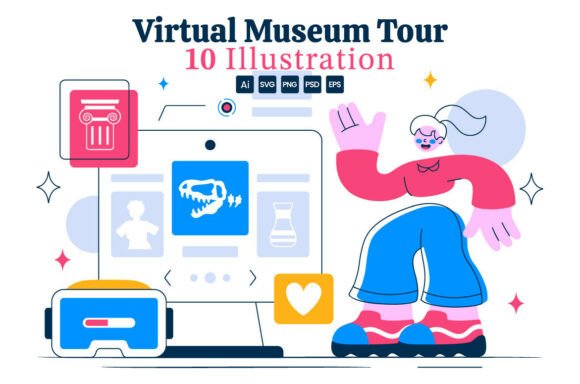
When I first opened the file for 10 Virtual Museum Tour Illustration, I immediately thought of a specific project: a boutique skincare brand launching a limited-edition "Digital Detox" collection. As a brand designer who has spent years refining identities for local businesses, from artisanal coffee roasters to handmade soap makers, my first impression is everything. This virtual museum tour vector illustration featuring a modern art museum where all exhibits are digitally displayed with interactive art gallery elements exudes a sense of curated sophistication and forward-thinking elegance. It does not feel like a generic clipart image; instead, it suggests a brand that values innovation, aesthetics, and a premium customer experience.
The mood created by this asset is undeniably modern and intellectual. It bridges the gap between traditional craftsmanship and digital futurism. For a local business owner or a creative entrepreneur, this design element signals that the product inside is high-quality and thoughtfully designed. It fits perfectly with brands that want to appear upscale, clean, and contemporary. Whether you are selling organic candles, boutique home decor, or specialized food labels, this illustration can elevate your visual hierarchy and create a stronger first impression than standard photography alone.
Elevating Local Business Branding with Interactive Gallery Elements
In the world of small business branding, consistency is key. Using this graphics and illustrations asset allows you to build a cohesive narrative across multiple touchpoints. Imagine applying this design to the packaging of a new line of artisanal hot sauces or the hang tags of a sustainable clothing boutique. The interactive art gallery elements within the 10 Virtual Museum Tour Illustration provide a unique focal point that draws the eye without overwhelming the essential text.
This asset is incredibly versatile for real-world applications. You can integrate it into logo design variations to create a secondary mark that represents your digital presence. For product labels, it works beautifully as a decorative border or a central hero graphic on larger formats. If you are a social media manager or marketing professional, these visuals are perfect for web banners, promotional ads, and editorial design layouts. They transform a simple flyer or brochure into an engaging story about your brand's journey.
- Product Labels: Use the illustration as a background texture or a framed accent on bottles and jars to suggest exclusivity.
- Packaging Design: Incorporate the modern museum aesthetic into box inserts or outer sleeves for unboxing experiences.
- Social Media Graphics: Create carousel posts that mimic a virtual tour of your shop or product line.
- Printable Design: Utilize the asset for thank-you cards, event invitations, or seasonal campaign visuals.
Strategic Placement for Maximum Shelf Appeal
When evaluating this virtual museum tour vector illustration, I often consider where it will have the most impact. In a crowded marketplace, visual hierarchy determines what the customer sees first. This asset excels in areas where you need to establish authority and trust. It is ideal for hero graphics on landing pages or as a decorative brand element on business cards.
For handmade sellers and food businesses, using this illustration can make your product look more polished and professional. It suggests that there is a level of care and curation behind the product, much like a piece of art in a gallery. When placed correctly on a product mockup, it enhances shelf appeal and encourages customers to pick up the item. It also supports better product recognition by creating a distinctive visual signature that sets your brand apart from competitors using generic stock photos.
However, strategic placement is crucial. While this asset is powerful, it should be used carefully in certain contexts. It may not be suitable for formal corporate branding where strict minimalism is required, nor should it dominate very small labels where detail gets lost. If your packaging already features ingredient-heavy layouts or complex legal information, adding this detailed illustration might create visual clutter. In such cases, it is best to use a simplified version or place it on a separate promotional card rather than the primary label.
Navigating Design Constraints and Aesthetic Balance
As an experienced designer, I always advise testing assets before finalizing production. This graphic design asset requires specific attention to contrast and scale. If you are working with a luxury minimalist brand, ensure the illustration does not compete with important text or dilute the premium feel. Similarly, avoid using it on low-contrast backgrounds where the details of the digital exhibits might disappear.
For businesses focusing on rustic, organic, or very soft feminine aesthetics, this modern museum theme might feel slightly out of place unless intentionally juxtaposed for a unique effect. It is generally better suited for brands that embrace a bold, clean, or tech-forward identity. When designing for children's products or festive campaigns, consider if the sophisticated tone aligns with the playful nature of the goods. Sometimes, a softer approach is needed, but if your goal is to convey innovation and quality, this asset is a strong contender.
Practical Designer Notes for Commercial Success
Before integrating 10 Virtual Museum Tour Illustration into your commercial design projects, there are several technical steps every designer must take. First, test it on real packaging mockups. Seeing the vector illustration on a 3D render of a bottle or a box helps you gauge its true impact. Check how it looks in black and white usage, as this ensures it remains effective when printed on monochrome materials or faxed.
Preview the asset on small labels to ensure the interactive elements remain legible. Test it with your specific brand colors to see if it harmonizes or clashes. Comparing it with competitor packaging is also essential; you want to ensure your visual identity stands out rather than blending in. Review the print quality carefully, especially if you are producing physical goods like stickers or flyers. Inspect the PNG transparency to guarantee clean edges around the illustration.
If you are using SVG design files, check their editability to customize colors or shapes to match your brand palette. Test the illustration beside different font styles—serif fonts for elegance, sans serif for modernity, script fonts for a personal touch, and display fonts for headlines. This ensures the typography and the illustrations work together seamlessly. Finally, confirm your commercial license before using it for client work, business branding, or physical product sales. Understanding the licensing terms protects your local business and ensures you can legally monetize your designs.
Building Trust Through Professional Presentation
Ultimately, the goal of any design asset is to support your business presentation. By choosing a high-quality digital product like this museum tour illustration, you signal to your customers that you are serious about your craft. It improves customer trust by making your brand look established and professional. Whether you are a food business updating its labels, a candle brand launching a new scent, or a florist creating seasonal campaign visuals, this asset provides the polish needed to succeed.
It fosters a stronger emotional connection with your audience by evoking feelings of curiosity and appreciation for art. When your marketing visuals are more polished, your conversion rates often improve. This design asset is not just a picture; it is a tool for building a robust brand identity that resonates with modern consumers. From web design to printable inserts, it offers endless possibilities for creative entrepreneurs looking to make a lasting impression in their local market.
By thoughtfully applying the virtual museum tour vector illustration featuring a modern art museum where all exhibits are digitally displayed with interactive art gallery elements, you can transform ordinary packaging into extraordinary brand experiences. It is a reminder that even small local businesses can achieve a global standard of excellence through careful design choices and the right selection of graphics.