Leukemia Awareness Concept Ribbon Review
As a designer who has spent years stitching, cutting, and selling handmade goods, I know that the difference between a project that feels mass-produced and one that feels truly special often comes down to the design itself. Recently, I pulled up the Leukemia Awareness Concept Ribbon to test its viability for a real-world client project: a line of boutique tote bags and baby onesies intended for a local support group fundraiser. My goal was to see if this digital asset could hold up under the pressure of machine embroidery while maintaining the emotional weight it needed to carry.
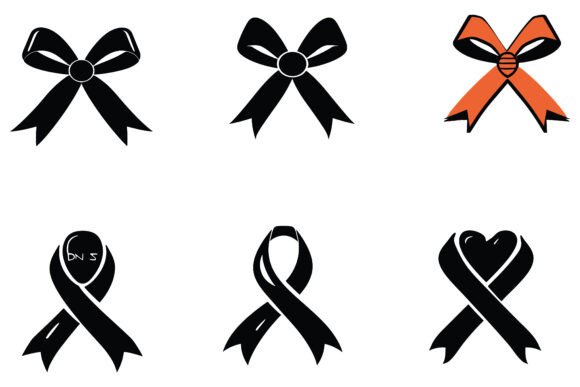
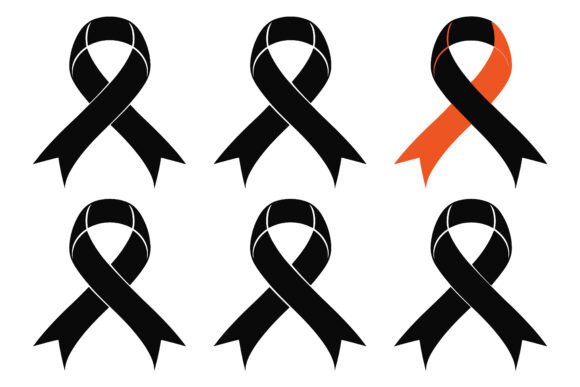
The first impression of the Leukemia Awareness Concept Ribbon is one of quiet dignity. In the world of Illustrations and Graphics, there are thousands of ribbon designs, but this specific iteration manages to stand out through its clean lines and balanced composition. It doesn't scream for attention; instead, it invites the viewer in with a sense of solidarity. For an embroidery designer, this is crucial. A design that relies on excessive detail or jagged edges often loses its impact when translated from a screen to thread. This concept, however, seems built for the needle.
From Screen to Stitch: Real-World Performance
I loaded the files into my digitizing software to prepare for a test run on a heavy cotton canvas tote bag. The immediate concern with any awareness ribbon design is how the curves will translate to satin stitch. Satin stitch requires a certain amount of space to lay flat without puckering, especially on textured fabrics like canvas or denim. The Leukemia Awareness Concept Ribbon appears to have a moderate width that should accommodate standard thread counts well. When I simulated the stitch path, the flow felt natural, avoiding the sharp corners that often cause thread breaks or uneven coverage.
Next, I moved to a softer fabric: a fleece sweatshirt intended for a holiday gift batch. Here, the design's versatility shone. On a soft surface, the ribbon takes on a slightly plush look that enhances the tactile nature of the finished product. I noticed that the design works exceptionally well as a standalone element on the chest area of a garment. It doesn't require a complex background or additional text to be effective. The simplicity allows the message to remain the focal point, which is exactly what you want for a piece of custom apparel meant to show support.
I also considered the potential for smaller items, such as embroidered patches or hat embroidery. The clean shape of the ribbon makes it highly adaptable. However, I found myself thinking about the limitations. If you plan to use this on a curved surface like a baseball cap, the symmetry of the ribbon must be carefully aligned with the curve of the fabric. While the digital file likely includes multiple orientations, the physical stitching process demands precision. A slight misalignment can make a professional-looking design appear amateurish.
Navigating Fabric Challenges and Hoop Sizes
Not every project is a success story, and knowing where to exercise caution is part of being a seasoned maker. The Leukemia Awareness Concept Ribbon might present challenges if used on very small hoop sizes. If you attempt to stitch this on a tiny accessory, like a keychain or a small button, the fine details of the ribbon's twist could get lost in the stitching density. The thread thickness required to cover the fill areas might overwhelm the available space, leading to a muddy appearance rather than a crisp graphic.
Fabric texture is another critical factor. While the design looks great on smooth cottons and polyesters, I would advise against using it on heavily textured fabrics like bouclé or thick terry cloth without significant stabilizer adjustments. The uneven surface of these materials can cause the satin stitches to catch or skip, ruining the smooth flow of the ribbon. Similarly, stretchy fabrics like jersey knit require a stable base. Without proper stabilizer usage, the tension of the ribbon could distort the fabric, causing it to pucker around the edges of the design.
Dark fabrics add another layer of complexity. If you are stitching a white or light-colored ribbon onto black fabric, the contrast is striking, but it highlights every imperfection. You must ensure your thread quality is high and that your tension is perfectly calibrated. Any skipped stitches or loose threads become glaringly obvious against a dark background. Conversely, on light fabrics, a darker ribbon color offers a sophisticated, understated elegance that fits well in a nursery or a home decor setting.
Impact on Product Value and Brand Perception
For those running a craft business or selling on platforms like Etsy, the visual appeal of your products directly influences customer trust. A well-executed embroidery project signals professionalism and care. When a customer receives a personalized gift featuring the Leukemia Awareness Concept Ribbon, they are not just receiving a piece of clothing; they are receiving a symbol of hope and support. The clarity of the design plays a massive role in how that message is received.
If the stitching is clean and the colors are vibrant, the finished product feels premium. Customers are more likely to share photos of their purchases on social media, effectively becoming brand ambassadors for your shop. On the other hand, a poorly executed design can lead to returns and negative reviews. The embroidery file must be robust enough to handle the rigors of production. The Leukemia Awareness Concept Ribbon offers a solid foundation, but the final result depends entirely on the execution.
This design is particularly powerful for holiday embroidery projects. Imagine a set of matching kitchen towels or pillow covers featuring this ribbon as a centerpiece for a family gathering during awareness months. The emotional resonance of the image elevates the item from a simple household good to a meaningful keepsake. It transforms a standard handmade product into a conversation starter that fosters connection among friends and family.
Essential Designer Notes for Success
Before committing to a full production run, I strongly recommend testing the Leukemia Awareness Concept Ribbon on scrap fabric first. This step cannot be overstated. You need to verify how the design behaves with your specific thread colors and fabric choices. Check the stitch density to ensure the fill stitches are neither too sparse nor too dense. Too much density can make the fabric stiff, while too little can leave gaps in the imagery.
Reviewing the design in black and white mockups is also a smart move. This helps you visualize the contrast and ensures the shape remains recognizable even without color. If you are planning to sell commercial embroidery services or digital assets, confirm the licensing terms immediately. Ensure you have the right permissions to use the digital embroidery file for commercial purposes and to sell finished items made from it.
Finally, always inspect the small details. Look at the corners of the ribbon and the points where the layers overlap. These areas often suffer most from stitching errors. Use the correct hoop size to maintain stability throughout the process. By taking these practical steps, you ensure that the finished product meets the high standards expected by discerning buyers. Whether you are creating a tote bag design for a charity event or a sweatshirt embroidery piece for a personal gift, attention to detail is the key to success.
In conclusion, the Leukemia Awareness Concept Ribbon is a versatile and emotionally resonant choice for designers looking to create meaningful work. It balances aesthetic appeal with technical feasibility, making it suitable for a wide range of applications from baby embroidery to apron decoration. With careful preparation and a keen eye for detail, this design can elevate your portfolio and provide tangible value to your customers.