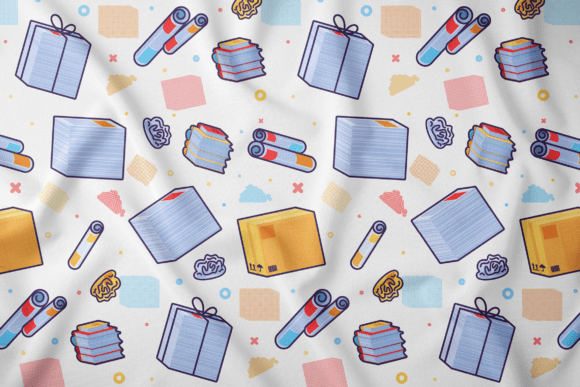
Wastepaper Seamless Pattern: A Practical Graphics Review for Sellers
As a digital product creator who has spent years curating assets for Etsy, Creative Fabrica, and print-on-demand platforms, I know that the difference between a listing that sits in search results and one that converts often comes down to the quality of the graphic design asset. Recently, I evaluated a specific collection titled Wastepaper Seamless Pattern. This isn't just another generic clipart bundle; it is a strategic tool for sellers looking to tap into the growing eco-conscious market while maintaining a modern aesthetic.
The moment I opened the files, the first impression was clean and professional. The description notes that this set contains 100 vector ornaments featuring symbols like newspapers, books, paper lists, boxes, cardboard, and other harmful paper waste. However, the visual execution elevates these mundane objects into something stylish. They are rendered in a modern outline flat style that feels minimal yet detailed enough to hold interest. For a seller, this mood is crucial. It strikes a balance between playful and serious, making it perfect for brands that want to communicate sustainability without looking cluttered or overly childish.
Real-World Application: Testing the Design for Market Fit
Before I committed to using Wastepaper Seamless Pattern in my own shop, I ran a series of tests across different product categories. The goal was to see how versatile the Patterns and Graphics would be when applied to actual merchandise. My primary focus was on creating a cohesive seasonal collection for an upcoming Earth Day promotion.
I started by testing the design as a sublimation print on tumblers and tote bags. The vector nature of the file meant that scaling up to large product previews was effortless. Unlike raster images that pixelate, these graphics remained crisp. When I placed the pattern on a dark background mockup, the white outlines popped beautifully, creating high contrast. This visual hierarchy is essential for product mockups because it draws the eye immediately to the design details.
Next, I explored its potential as a printable design for planners and journals. The individual icons within the set, such as the recycling box and the crumpled newspaper, work exceptionally well as sticker designs. I created a sheet of planner stickers and found that the flat style translated perfectly to small sizes. However, I had to be careful not to crowd the layout. When elements were too close together, the fine lines became difficult to cut on a Cricut machine. This taught me that while the asset is robust, it requires thoughtful spacing in the final Cricut project.
Building Bundles and Expanding Your Catalog
One of the biggest challenges for small business branding is maintaining consistency while offering variety. Wastepaper Seamless Pattern offers a unique opportunity here. Because the style is consistent across all 100 vector ornaments, it allows creators to build extensive design bundles without sacrificing brand identity.
I imagined a scenario where a seller creates a comprehensive "Eco-Friendly Home" kit. This could include:
- T-shirt designs featuring a single bold icon of a cardboard box with a motivational quote about reducing waste.
- Mug designs utilizing the seamless aspect to create a repeating border around the handle.
- Canva templates for social media posts that use the paper list icon as a bullet point or decorative element.
- Digital paper packs for scrapbooking kits, where the pattern serves as the background texture.
This versatility means you aren't limited to selling just one item type. You can offer a digital download that includes SVGs for cutting machines, PNGs for printing, and layered PSD files for advanced editing. This approach increases the perceived value of your listing, encouraging customers to buy the entire bundle rather than a single graphic.
Strategic Placement and Visual Storytelling
When preparing listing images for a creative marketplace, the way you present the asset matters as much as the asset itself. Wastepaper Seamless Pattern works best in large product previews where the viewer can appreciate the repetition and flow of the pattern. It tells a story of organization and environmental responsibility.
I recommend pairing this design with specific font styles to maximize its appeal. For a corporate or educational feel, a strong sans serif font complements the geometric lines of the trash symbols. If you are targeting a more boutique or lifestyle audience, a handwritten script font adds a touch of warmth, softening the industrial look of the cardboard and paper icons. Conversely, a display font can make a bold statement for posters or wall art.
However, there are areas where caution is required. If you are designing tiny sticker details for a dense grid, the intricate outlines might disappear at small scales. Similarly, using this pattern on crowded thumbnails can confuse the buyer's eye. The design needs breathing room to shine. Avoid placing it over busy backgrounds or using it in low-resolution print products where the vector clarity cannot be maintained.
Technical Checklist for Commercial Success
Before publishing any listing featuring Wastepaper Seamless Pattern, experienced sellers should run through a strict quality control process. This ensures customer satisfaction and minimizes returns.
- Verify File Resolution: Ensure the source files are high-resolution vectors. Even though they are scalable, the initial export settings must support the intended print size.
- Check Transparency: If selling PNG versions, confirm that the transparency is clean and free of halos or jagged edges.
- Test Cut Quality: Import the SVG into your cutting software (Cricut Design Space or Silhouette Studio) to ensure the paths are closed and ready for precise cutting.
- Mockup Testing: Preview the design on both white and dark backgrounds. Some colors may shift depending on the substrate, so test print colors if possible.
- Licensing Confirmation: Always read the commercial license agreement. While most of these assets allow for commercial design use, some restrictions may apply to resale as standalone digital files versus finished physical goods.
- File Organization: Organize your folders clearly for your customers. Group the newspaper icons separately from the cardboard boxes to help them find exactly what they need quickly.
Final Thoughts on Selling Potential
In the competitive world of online selling, having a reliable library of design assets is non-negotiable. Wastepaper Seamless Pattern stands out because it addresses a relevant theme—sustainability—with a clean, modern execution that fits seamlessly into various niches. Whether you are a content creator needing fresh visuals for your blog, a crafters group leader planning a workshop, or a print-on-demand entrepreneur launching a new line, this collection provides a solid foundation.
By testing the design across multiple mediums and paying attention to technical details like contrast and spacing, you can transform a simple pattern into a profitable product line. It proves that even common items like waste paper can be elevated into premium illustrations that resonate with today's conscious consumer. If you are looking to expand your catalog with meaningful, versatile, and high-quality graphics, this pattern deserves a spot in your workflow.